Optimizing material consumption and minimizing waste in nonwoven production goes far beyond simple technical tweaks. It is a core business strategy that directly determines profit margins, product stability and long-term market competitiveness. The solution relies on integrated management: precise process regulation, smart equipment selection, rational raw material deployment and real-time production monitoring.
For B2B nonwoven manufacturers supplying hygiene, medical, agricultural and industrial textiles, cutting material waste by just 1%–3% will bring remarkable annual cost savings. This article shares equipment-focused actionable solutions to help nonwoven factories raise product yield, lower scrap rates and boost overall production efficiency.
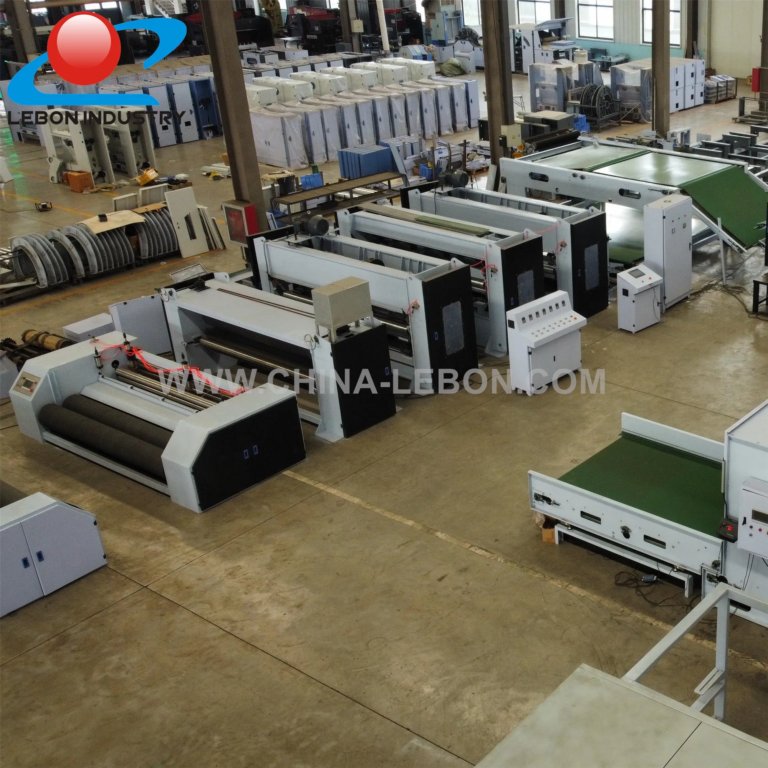
Key Stages of Material Waste in Nonwoven Production
Raw material waste mainly appears in these core production links:
1. Web Formation and Laydown
Unstable air flow and misaligned die heads lead to uneven GSM (grammage). Fabric sections that fail to meet weight standards will be downgraded or directly scrapped.
2. Edge Trimming and Slitting
Improper width setting and low-precision trimming equipment cause excessive edge leftov
er. Excessive trimming is one of the major causes of raw material loss.
3. Startup and Shutdown
Most defective products are produced during equipment startup before all technical parameters stabilize. Optimizing startup and ramp-up procedures can drastically cut such waste.
Pinpointing these waste sources creates a solid basis for systematic cost reduction.
Practical Solutions to Reduce Raw Material Loss
1. Realize Inline Recycling of Edge Trimmings
New-generation nonwoven production lines support on-site recycling of edge scraps. With strict parameter control, the trimmed leftover materials can be fed back into the extrusion system steadily, lowering the consumption of new polymer while keeping fabric quality consistent.
In addition, standardized material handling, dry warehouse storage and automatic feeding systems can further eliminate unnecessary waste.
2. Precision Process Control to Improve Yield
Equipment configuration is critical for raising raw material utilization. Advanced automatic monitoring systems keep fabric quality uniform and drastically cut off-spec products.
3. Strict Closed-Loop GSM Control
Modern nonwoven production lines adopt closed-loop automatic control systems to monitor fabric grammage in real time. The system automatically adjusts polymer output to hit the target GSM value and avoid excessive raw material input.

FAQ
Will recycled edge trimmings affect finished fabric quality?
If inline recycling equipment runs under stable parameters and materials are blended evenly, reused edge scraps will not cause obvious deterioration to the fabric’s physical performance.
What level of material savings can we expect after optimization?
After upgrading automation and refining production processes, most factories can reduce raw material consumption by 2%–5%, based on their original production conditions.
Is automation mandatory for waste reduction?
Basic waste reduction can be done manually. Nevertheless, intelligent automation stabilizes production conditions and reduces fluctuation, which is the most reliable way to lower scrap rates long-term.
How does accurate GSM control save raw materials?
Precise grammage control avoids overfeeding polymer. Even a tiny excess in GSM will lead to massive raw material waste when running large-batch continuous production.
Conclusion
Cutting waste and improving material efficiency requires joint efforts: stable raw material quality, high-precision process control, intelligent production equipment and standardized on-site management.
For enterprise managers, this initiative brings not only eco-friendly production, but also fatter profit margins and stable investment returns. Minor yield improvements will build up into huge economic benefits for nonwoven manufacturers year after year.