Customization has become essential for modern nonwoven production lines, especially as hygiene, medical, industrial, and packaging sectors demand higher performance, lower waste, and faster turnaround. For manufacturers planning to upgrade or build a new production line, understanding how customization works—and what factors truly influence long-term returns—is crucial. This guide breaks down the key considerations B2B buyers care about most when optimizing a nonwoven production setup.
Why Nonwoven Line Customization Is Critical for Today’s Manufacturing Requirements
Global demand for nonwoven materials continues to rise, driven by disposable hygiene products, filtration media, and industrial fabrics. However, standard equipment configurations rarely meet the evolving technical requirements of fast-growing manufacturers.
Customization ensures:
Higher production speed tailored to product type
Optimized fiber distribution and uniformity
Energy-efficient operation
Stable mass-production capability
Reduced material waste and lower operating costs
This is why many manufacturers prefer to work directly with experienced non woven machine manufacturers rather than relying on generic, off-the-shelf machinery. Custom solutions ensure precision performance aligned with each factory’s production goals.
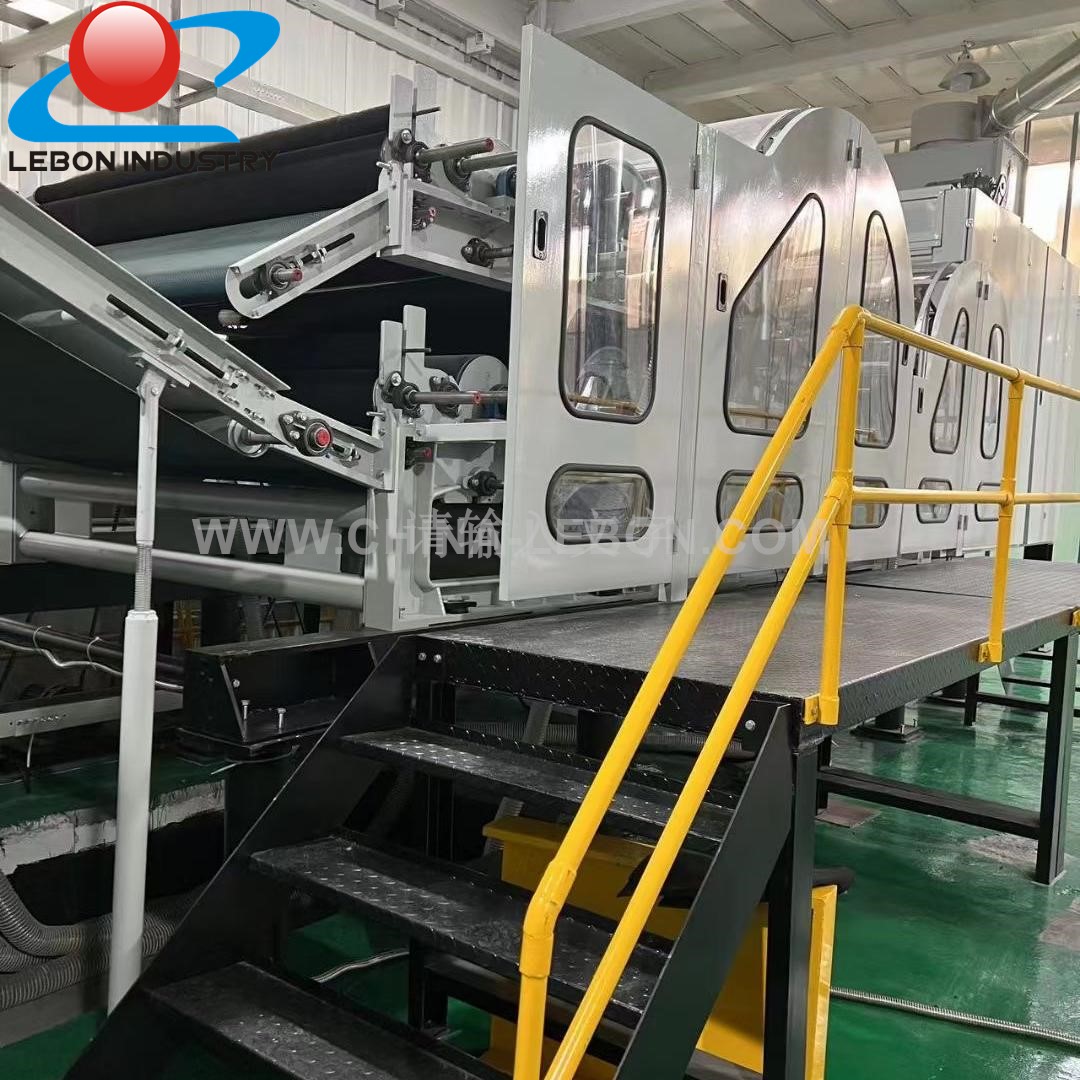
Key Customization Areas That Directly Impact Nonwoven Fabric Quality
When upgrading or designing a nonwoven line, certain technical components have the biggest influence on fabric consistency and output stability.
1. Spinning System Design
The spinning system determines filament uniformity, tensile strength, and overall material performance. By adjusting extruder capacity, spinneret configuration, and cooling mechanisms, manufacturers can produce fabrics suited for hygiene, agriculture, filtration, or geotextile applications.
2. Web Forming & Uniformity Control
Advanced airflow control, modular forming equipment, and customized drafting systems ensure that the nonwoven fabric is smooth, stable, and defect-free. This is especially important for medical-grade and filtration-grade materials.
3. Thermal Bonding Adjustments
Bonding temperature, roller pattern, and pressure settings are often customized to achieve required softness, thickness, and strength. For buyers focused on hygiene products, optimizing the bonding unit offers a competitive quality advantage.
These upgrades can be implemented in new production lines or integrated into existing nonwoven fabric machine setups.
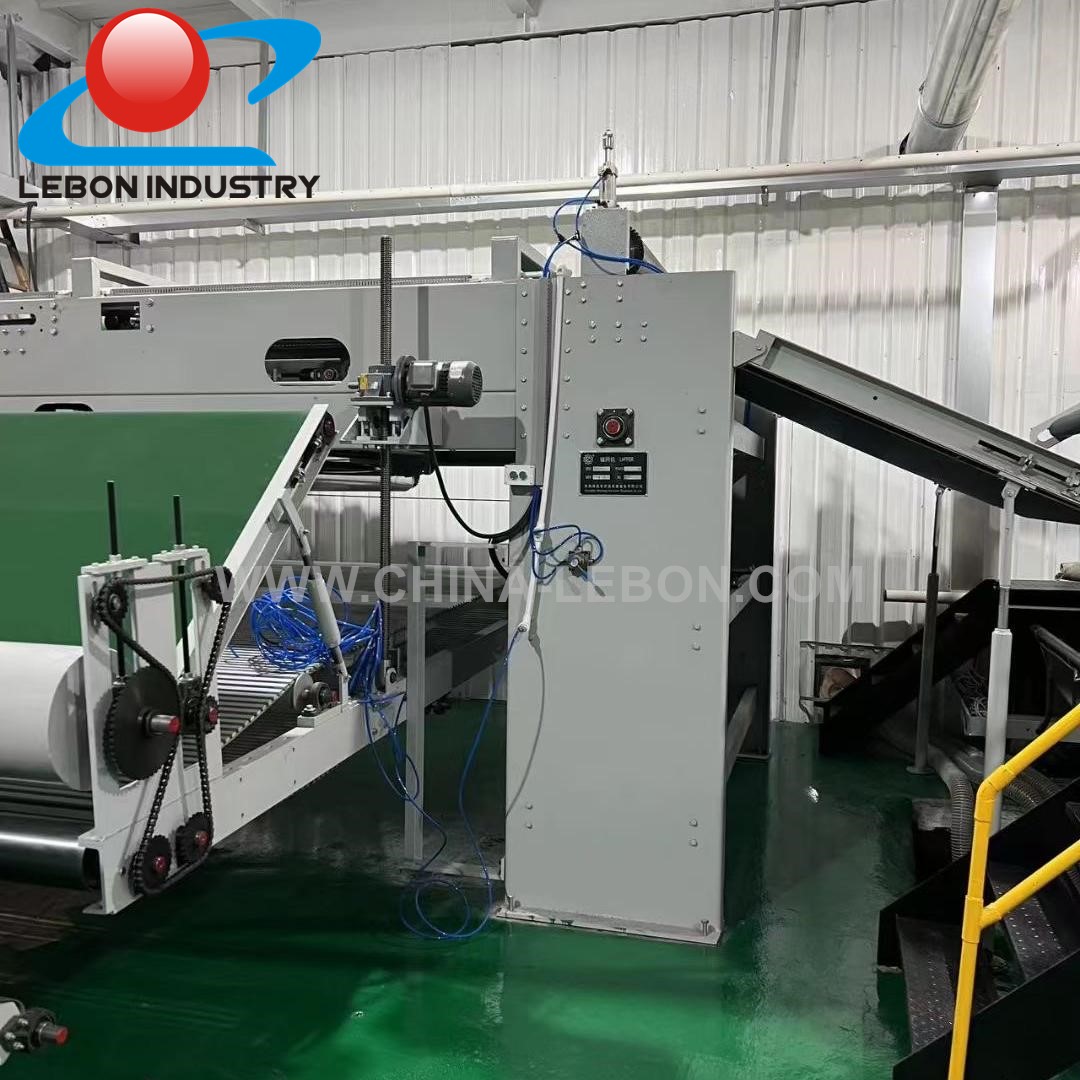
How to Design a Nonwoven Line That Maximizes ROI
Customization should always target improving long-term profitability—not just technical performance. B2B buyers should consider the following factors when defining project requirements:
Energy efficiency
A well-configured extruder system and upgraded motors can significantly reduce electricity consumption over time.
Production flexibility
Manufacturers who serve multiple markets (hygiene, medical, industrial) benefit from lines capable of switching product specifications quickly.
Material savings
A well-calibrated dosing and metering system minimizes polymer waste and ensures consistent GSM accuracy.
Automation systems
Modern automated monitoring reduces labor costs, stabilizes production quality, and improves traceability for high-spec industries.
By designing the line around long-term cost savings and operational efficiency, businesses can achieve a far higher ROI compared with standard, non-optimized configurations.
Common Customization Mistakes and How to Avoid Them
Even experienced factories sometimes miscalculate equipment requirements. Common mistakes include:
1. Over-specifying machine capacity
Many buyers request extremely high output levels without considering local staffing, raw material availability, or market demand, causing unnecessary investment.
2. Ignoring future scalability
A production line should be planned with expansion in mind, including space for additional beams or upgraded bonding systems.
3. Underestimating maintenance accessibility
Custom equipment must allow easy access for cleaning, calibration, and part replacement.
4. Choosing low-quality components
Saving money on motors, bearings, or electrical components usually leads to more downtime and higher long-term costs.
Working with knowledgeable machine suppliers helps ensure these pitfalls are avoided.
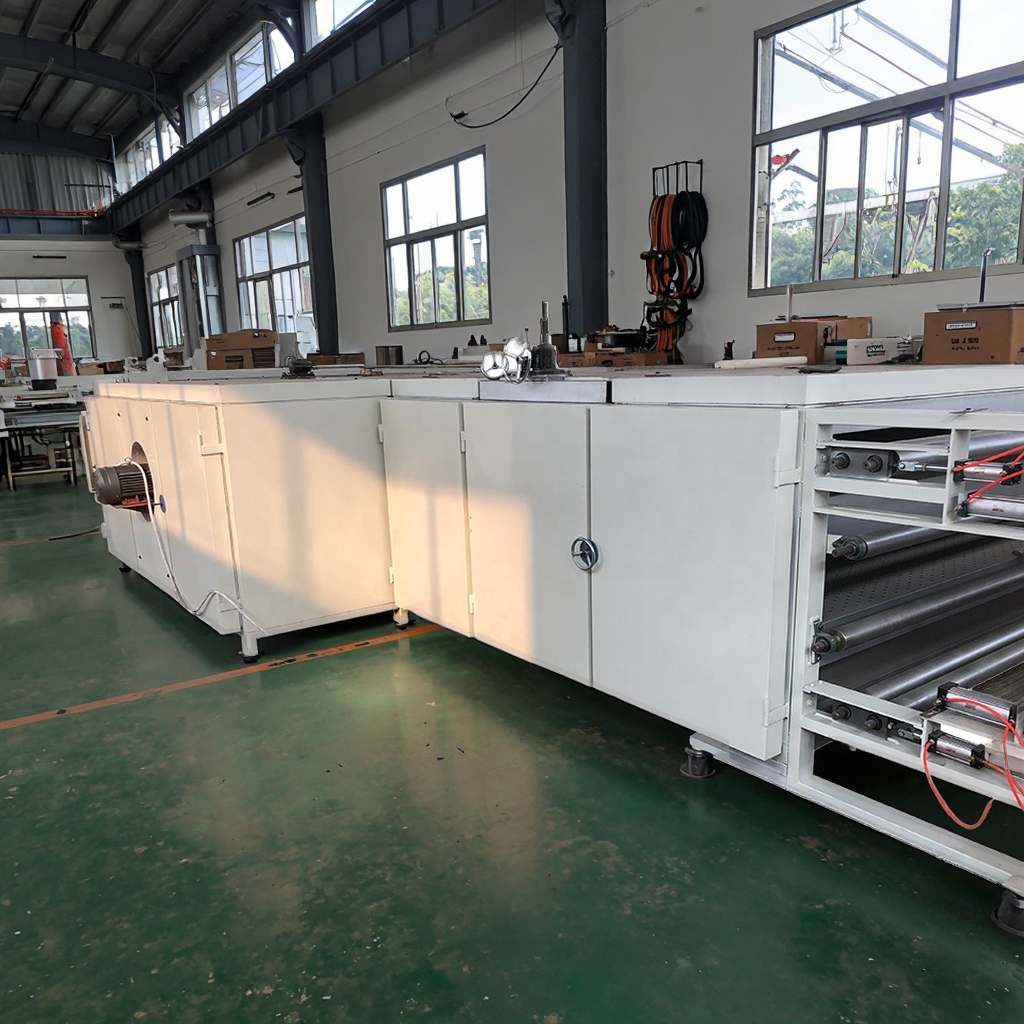
Why Partner With LEBON for Customized Nonwoven Production Lines
LEBON is a global manufacturer specializing in nonwoven equipment engineering, turnkey project solutions, and customized production lines. With years of experience serving hygiene, medical, and industrial material producers, we provide:
Tailor-made line configurations based on real factory needs
High-precision spinning and forming systems
Energy-efficient designs that reduce operating costs
Advanced automation for stable, 24/7 continuous operation
Professional installation, training, and after-sales support
Whether you are upgrading your current system or building a fully customized nonwoven line, LEBON delivers reliable engineering and long-term performance that supports your business growth.